And if you want them to stick around, you need to treat their experience as a fragile, precious resource—because it is.
Let me explain this through something called “Psych score.”
Every person who tries out your product arrives with a high “Psych score.” What do I mean by that? At the moment they decide to give it a shot, they believe a few critical things:
- They believe they can succeed with your product.
- They believe your product will help them achieve their goal.
- They are motivated to solve their problem.
At that point, their Psych score is high. They’re excited, confident, and ready to engage.
But here’s where things get tricky: every time your product throws something in their way—whether it’s confusion, complexity, or a frustrating experience—that score takes a hit. Their confidence and motivation take a dip. And if their Psych drops too low, they’re done. It’s game over, and they’re unlikely to return.
The Two Key Factors of Psych: Ability and Motivation
I like to picture this as a graph with two axes: Ability and Motivation.
- Ability is how easy or hard it is for the user to engage with your product.
- Motivation is how much they want to solve the problem your product promises to address.
Ideally, your users sit high on both axes. The more motivated they are and the easier it is for them to use the product, the better their experience will be—and the more likely they are to stick around.
But here’s the thing: every time you introduce unnecessary friction, complexity, or frustration, you’re pushing them away from that sweet spot in the top-right corner. You’re chipping away at their Psych score, and it doesn’t take much for it to dip below a level where they decide it’s not worth it anymore.
This can happen quickly—after just a few frustrating moments, users can lose confidence and decide to move on. In most cases, 5 or 6 negative interactions are enough to push a user to give up and abandon your product altogether.
Psych is a Precious Cognitive Resource
Think of Psych as a precious, limited resource. It’s a blend of motivation and ability, and every interaction with your product either adds to it or takes away from it.
Your job as a product builder is to protect and nurture that resource. The best-case scenario is that every step of the user’s journey adds to their Psych score. They feel more capable, more motivated, and more confident with each interaction.
But every time you introduce unnecessary complexity, confusion, or frustration, you’re subtracting from it. A clunky interface, unclear instructions, slow response times—these all erode Psych little by little. And before long, their excitement and motivation drop below a point where they’re willing to keep going.
It’s Not Just About Removing Friction—It’s About Creating Wins
Reducing friction is essential, but it’s only half the story. It’s not just about stopping the losses—it’s about creating wins.
Every time you deliver a smooth, intuitive, or rewarding experience, you’re giving the user a little Psych boost. Maybe they complete a task faster than expected, or discover a feature that solves a pain point perfectly. These moments build momentum, keeping them motivated and excited to continue.
Users as Heroes in a Game
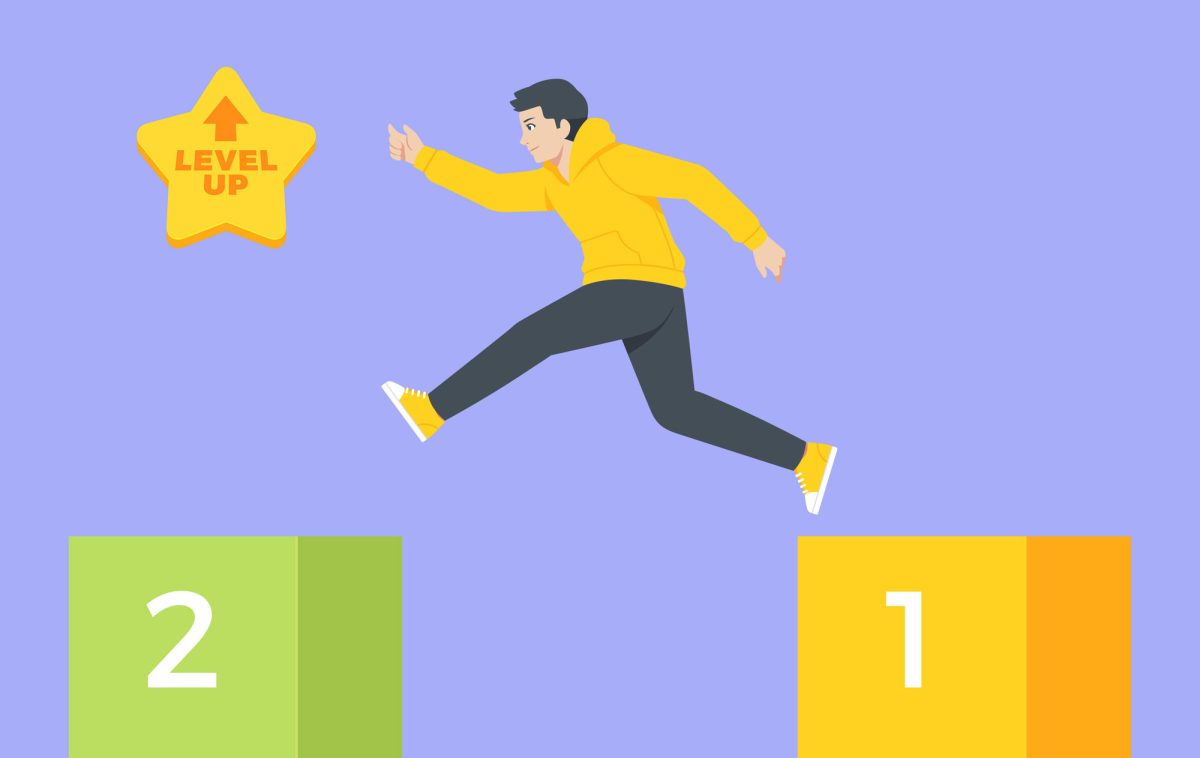
Here’s a simple way to think about it: imagine your users as heroes in a video game. Their Psych score is like their health bar. Every time they encounter an obstacle—whether it’s confusion, a frustrating feature, or something that doesn’t work the way they expect—they lose health. And once that health bar is depleted, it’s game over. They’re out.
Your job is to keep them going by removing unnecessary friction and creating moments of progress.
But there’s an interesting twist: not all friction is bad. Sometimes, a challenge—if it’s the right kind of challenge—can actually increase a user’s Psych score. Think about a well-designed puzzle or an achievement system in a game. The user encounters a difficulty, but overcoming it gives them a sense of accomplishment.
The same can be true for your product. If the friction you introduce helps users grow, learn, or feel a sense of achievement, it can actually be a net positive. But unnecessary friction—extra steps, confusing interfaces, unclear instructions—erodes their confidence and motivation.
Keep Them Motivated, Reduce Unnecessary Friction
At the end of the day, your job is to keep users’ Psych scores high by reducing unnecessary friction and keeping them motivated. Every decision you make in your product design, every feature you add, should contribute to that goal.
It’s not just about having the right features or the right tools. It’s about making sure the experience is as seamless and rewarding as possible. When users feel empowered by your product, they’re far more likely to become loyal, long-term customers.
The way users feel when they interact with your product is just as important as what your product can do. So, keep their Psych high, treat their journey like the hero’s quest it is, and you’ll see the long-term results.
At LiveCode Services our product experts can help you plan and adapt your user journeys to keep more users wanting to use your product.